
2026 Tax Year: What You Need to Prepare Now
January 13, 2026
Planning early can save you money, stress, and penalties
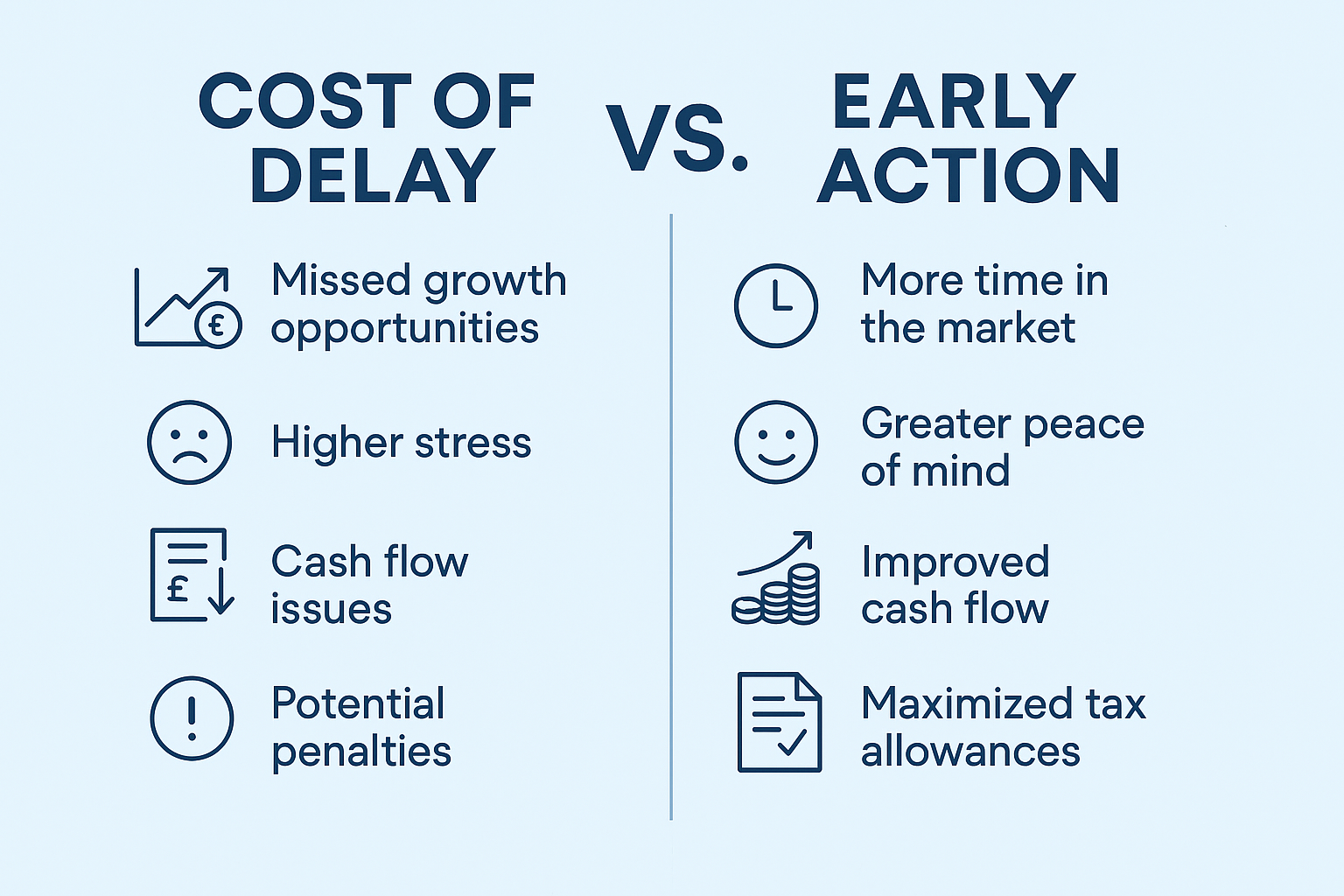
The UK tax year runs from 6 April 2026 to 5 April 2027, and planning early can save you money, stress, and penalties. Here’s what you need to know to stay ahead.
Key Dates for 2026/27
- 31 January 2026 – Online tax return and payment deadline for 2024/25; first payment on account for 2025/26.
- 5 April 2026 – End of the tax year; last chance for ISA and pension contributions.
- 19 April 2026 – Final PAYE payroll submission for employers.
- 6 July 2026 – Deadline for P11D forms for employee benefits
- 6 April 2026 – Start of the 2026/27 tax year.
- 31 January 2027 – Online tax return and payment deadline for 2025/26.
- 5 April 2027 – End of the tax year; last chance for ISA and pension contributions.
- 19 April 2027 – Final PAYE payroll submission for employers.
- 6 July 2027 – Deadline for P11D forms for employee benefits.
Allowances and Reliefs to Use Before 5 April 2027
- Personal Allowance: Plan to optimise your annual allowance.
- ISA Allowance: Plan to optimise your annual allowance per person.
- Pension Contributions: Plan to optimise your annual allowance (subject to tapering for high earners).
- Capital Gains Tax Annual Exemption: Can you plan for a gain to take advantage of the allowance?
- Marriage Allowance: Transfer some of your unused allowance to your spouse.
- Business Reliefs: Annual Investment Allowance; full expensing for qualifying plant and machinery. Limits apply.
Common Mistakes People Make
- Missing Deadlines: Late filing triggers £100 penalties and daily fines.
- Not Claiming All Reliefs: Many overlook pension tax relief, Marriage Allowance, or allowable business expenses.
- Poor Record-Keeping: HMRC requires records for at least 6 years.
- Ignoring Tax Changes: Frozen allowances mean more people drift into higher tax bands.
- Misclassifying Income: Mixing personal and business expenses can lead to audits.
Making Tax Digital (MTD): What’s Changing in 2026
From 6 April 2026, Making Tax Digital for Income Tax Self Assessment (MTD for ITSA) becomes mandatory for:
- Sole traders and landlords with gross income over £50,000.
- You must:
- Keep digital records using MTD-compatible software.
- Submit quarterly updates to HMRC (deadlines: 7 August, 7 November, 7 February, 7 May).
- Finalise your annual tax return digitally.
Future phases:
- April 2027: Threshold drops to £30,000.
- April 2028: Threshold drops to £20,000.
Why it matters: MTD aims to reduce errors, improve real-time tax visibility, and streamline compliance. Missing quarterly updates will trigger penalties under HMRC’s new points-based system.
How MyController Helps You Stay Compliant
At MyController, we make tax planning proactive:
- Dashboard Alerts for key deadlines and quarterly MTD updates.
- Concierge Finance Service to coordinate with your accountant and solicitor.
- Real-Time Tracking of allowances and reliefs.
- Integrated Planning Tools for ISAs, pensions, and business investments.
✅ Take Action Today
Don’t wait until January—start planning now to maximise allowances and avoid penalties.
👉
Book a Free Consultation with MyController and make 2026 your most tax-efficient year yet.
Share:
Recent Blogs

Discover what a Virtual Finance Director does, how they differ from an accountant and whether your growing business could benefit from strategic financial support.

Discover what a Virtual Finance Director does, how they differ from an accountant and whether your growing business could benefit from strategic financial support

Is your accountant still meeting the needs of your growing business? Discover five signs that you may need more proactive financial support.